The Weight of the “Yes” and the Shadow of the “No”
For us to understand the deep faith of Esther and the exiled Israelites, who. The Weight of the “Yes” and the Shadow of the “No”
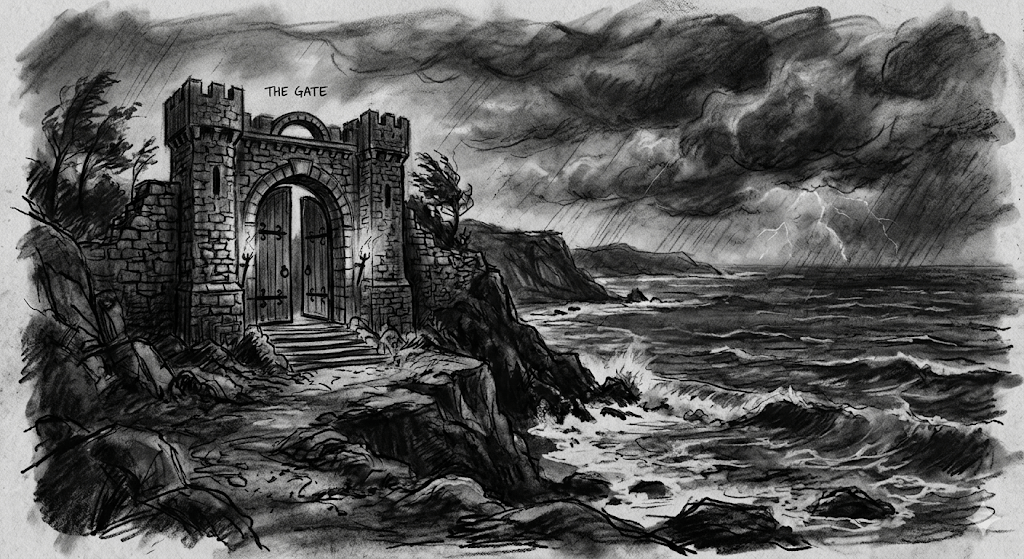
For us to understand the deep faith of Esther and the exiled Israelites who headed directly into the storm, we must revisit the past. Thanks to Sowers’ church and the message you gave me, there is a way to introduce Esther through Matthew 28:19:
“Go therefore and make disciples of all nations, baptizing them in the name of the Father and of the Son and of the Holy Spirit.”
My confusion began with the wording of “command,” so I looked up the difference between command, demand, and implied. Here is what I found:
- Command: This is the most accurate grammatical fit. In Greek, the primary verb is “make disciples” (mathēteusate), which is in the imperative mood. It is a direct order from a superior (Jesus) to his subordinates (the Apostles). It isn’t a suggestion; it’s a mission.
- Demand: While a command is an official order, a “demand” often implies a sense of urgent requirement or a claim of right. While Jesus certainly has the right to demand this, “command” is the preferred biblical term because it suggests an authoritative commissioning for a specific purpose.
- Implied: The “going” part is where the implication lies. In the original Greek, “Go” (poreuthentes) is a participle. A literal translation would be “As you are going” or “Having gone.” The command to make disciples is explicit; the “going” is the implied circumstance under which that command is carried out.
In the Greek of Matthew 28, the command to “Go” is implied, but the command to “Make Disciples” is an absolute imperative. It is the difference between a suggestion and a Commission—and as history shows, from the fields of Genesis to the palace of Susa, how we answer that command determines whether we survive the storm or are destroyed by it.
Why this is important will be shown: although Jesus was the Authority, we were all given free will. The Apostles could have refused; however, because they truly knew who Christ was, they accepted the mantle with a firm, rooted “Yes.”
But history is littered with those who gave a “Maybe,” a “Later,” or a “No.” To understand the storm that Esther faced, we must follow a small black thread that leads away from this firm “Yes” and back to a field in Genesis…
1. The “Right to Refuse” vs. The Cost of Rejection
The Apostles had the volition to say no. In theology, this is often discussed as the difference between coercion and command:
- Coercion: Forces the will, leaving no choice (like a physical law, such as gravity).
- Command: Addresses the will, requiring a choice.
Throughout the Bible, when people rejected the command (like the “Rich Young Ruler” in Matthew 19), they weren’t struck down for their “No,” but they walked away “sorrowful.” The first stage of self-destruction is the grief of a purpose declined. He lost the protection and inheritance found within the covenant. Those who followed were rewarded—not necessarily with easy lives, but with the presence of God: “I am with you always” (v. 20).
2. Deeply Rooted Faith (The “Yes” of the Heart)
The reason the Apostles said “yes” to a command that would eventually lead most of them to martyrdom wasn’t that they felt “forced” by a demand, but because of the source of the command. In Greek, the “Command” in Matthew 28 is an Imperative of Commission. It functions differently from a legal demand:
- A Legal Demand says: “Do this, or you are a criminal.”
- A Commissioning Command says, “I have empowered you; now go fulfill your purpose.”
Theological Perspective: The “demand” of the Great Commission is absolute because of who Jesus is, but the “response” is only meaningful because the Apostles chose it freely out of love and faith.
The Anatomy of the “No”: From Cain to the Abyss
The “Black Thread” of human history is woven with the refusal to submit to a higher command. When we exercise our “Right to Refuse,” we aren’t just making a choice; we are stepping out from under a canopy of protection and into a vacuum of self-destruction.
1. Cain: The Internal Rot of Rejection
The cycle begins with Cain. His disobedience wasn’t just a “wrong sacrifice”; it was a refusal of the heart. When God commanded him to master the sin “crouching at the door,” Cain used his volition to say “no.”
- The Cost: He didn’t just lose a brother; he lost his grounding. He became a “restless wanderer.”
- The Lesson: Disobedience at its root creates an internal displacement. When we refuse the command, we lose our “home” in the spirit.
2. Saul: The Facade of Partial Obedience
Saul represents the most dangerous form of disobedience: the compromise. When commanded to utterly destroy the Amalekites, Saul kept the “best of the sheep” under the guise of religious sacrifice.
- The Cost: Samuel’s rebuke was chilling: “To obey is better than sacrifice.” Because Saul rejected the word of the Lord, the Lord rejected him as king.
- The Result: His disobedience opened a rift in his mind. He was no longer protected from the tormenting spirits of his own ego and paranoia. His partial obedience didn’t just hurt him; it left a seed—the Agagite—that would wait centuries to sprout in the palace of Susa.
3. Jonah: The Flight into the Abyss
Jonah is the literal embodiment of the “Right to Refuse” meeting the physical world. Unlike the Apostles who said “yes” to the Commission, Jonah said “no” and boarded a ship to Tarshish.
- The Cost: His disobedience didn’t just affect him; it endangered everyone on the boat.
- The Lesson: You can run from the Command, but you cannot run from the Sovereignty of the Commander. Jonah’s “no” led him directly into the belly of the beast—a dark, suffocating consequence of his own volition and a true separation from God.
We all have a choice in life, but in the Great Commission: “The choice is a rooted ‘Yes’ to the command, or a ‘No’ that sends us wandering. The Commission is given; our ‘Going’ is the inevitable result of our answer.”
Next, The Transition: From the Gate to the Throne, to Esther
. The Watchman: Mordecai (The Counter-Saul)
- The Role: He is the “Peter at the Gate.” He refuses to bow to Haman because he knows the difference between world demand and a divine command.
- The Mission: He doesn’t just watch for danger; he watches for opportunity. He recognizes that the “Black Thread” of Saul’s failure (Haman the Agagite) has returned, and he prepares the countermove.
2. The Protagonist: Esther (The Precursor to Mary)
- The “Yes”: This is the heart of the blog. Just as Mary’s “Yes” brought the Savior into the world, Esther’s “Yes” brings salvation to her people.
- The Stone in the Sling: She is the weapon the Lord uses to strike the giant. She moves from the “Self-Destruction” of the palace’s excess to the “Self-Sacrifice” of a commissioned queen.
3. The Antagonist: Haman (The Ghost of the Abyss)
- The Role: He is the result of the “Black Thread.” He is the pride of Cain, the arrogance of Saul, and the hatred of the Enemy all rolled into one.
- The Motive: He demands a “bow” that only belongs to God. He is the “Storm” that has been brewing since the fields of Genesis.
4. The Authority: King Ahasuerus (The Unpredictable Sovereign)
- The Role: He represents the world’s power, vast, wealthy, but easily swayed. He is the environment in which the “Storm” breaks. He is the one who issues the legal “Demands” that Esther must overcome with a higher “Commission.”
5. The Remnant: The People of Israel
- The Role: They are the “Nations” mentioned in Matthew 28:19. They are the target of the enemy’s “Demand” for destruction, waiting for the “Yes” of a mediator to save them.
Concluding the Overview: The Two “Yeses
The Great Commission tells us that “Going” is implied, but the “Yes” is required. Throughout the history of the Gate, we see this played out: Boaz said yes to Ruth, Mordecai said yes to his people, and Peter said yes to the Keys.
But it is in the “Yes” of Esther where the shadow of the “No” is finally confronted. Both she and Mary were commissioned in their youth; both were afraid. They both understood that a rooted faith is the only thing that can stand when the storm finally breaks. We either follow the black thread of the “No” into the wanderings of Cain, or we anchor ourselves in the authority of the One who said:
“Go therefore and make disciples of all nations, baptizing them in the name of the Father and of the Son and of the Holy Spirit.” (Matthew 28:19)
Next: The Palace of Susa—Where a hidden girl from nothing answers the call, and her “Yes” becomes the storm that saves a nation.
Closing Prayer
Heavenly Father, we thank You for the “Black Thread” of history that shows us our need for You, and the “Gold Thread” of Your Commission that gives us purpose. Grant us the rooted faith of the Apostles and the courage of Esther. May we not wander in the “No” of our own making, but stand firm in the “Yes” of Your calling. As we move into the halls of Susa, let us see clearly that when we are commissioned by You, no storm can destroy what You have protected. In the name of Jesus Christ, who is with us always, Amen.
Tomas / the-way.blog
Scholarly Footnotes & Biblical References
- [1] Matthew 28:18-20: The “Great Commission.” Note the emphasis on exousia (authority) as the basis for the command.
- [2] Matthew 19:16-22: The Rich Young Ruler. A study in the “Right to Refuse” and the resulting sorrow (lypoumenos).
- [3] 1 Samuel 15:22: “To obey is better than sacrifice.” The definitive critique of Saul’s partial obedience.
- [4] Esther 3:1: Haman is identified as an “Agagite,” linking him to the Amalekite king spared by Saul in 1 Samuel 15.
- [5] Genesis 4:7: God’s warning to Cain regarding the volition to master sin.
Resources for Further Research
- Theological Grammar: Greek Grammar Beyond the Basics by Daniel B. Wallace (specifically on the Imperative Mood and Participles in Matthew 28).
- Historical Context: The Book of Esther in Modern Research (Sidnie White Crawford).
- Commentary: The Expositor’s Bible Commentary on the link between Saul and Haman.
 The-Way
Leave a comment